Gym lighting design is one of the most underrated tools an operator has, and one of the most commonly mishandled. Most gyms are either lit flat and bright throughout, like an office, or dark and atmospheric to the point of being impractical. The best facilities do neither; they use light deliberately, zone by zone, to shape how members feel and behave. Here is how to specify lighting that works.
This goes beyond the surface-level advice that lighting “sets the mood”. We will cover the practical decisions: zoning, colour temperature, control, and how to handle the building you actually have.
Lighting is a design tool, not a finishing touch
Lighting affects energy, focus, perceived cleanliness, and how long members stay on the gym floor. We consistently find that the same physical space feels completely different depending on how it is lit. Treating lighting as something to specify at the end, once the “real” design decisions are made, is one of the most common mistakes we see.
The starting point is to recognise that different zones in a gym do different jobs, and they need different light to do them well.
Zoned lighting: matching light to activity
A single lighting scheme cannot serve a whole gym, because a cardio floor and a recovery suite have opposite needs. Zoned lighting is the foundation of good gym lighting design.
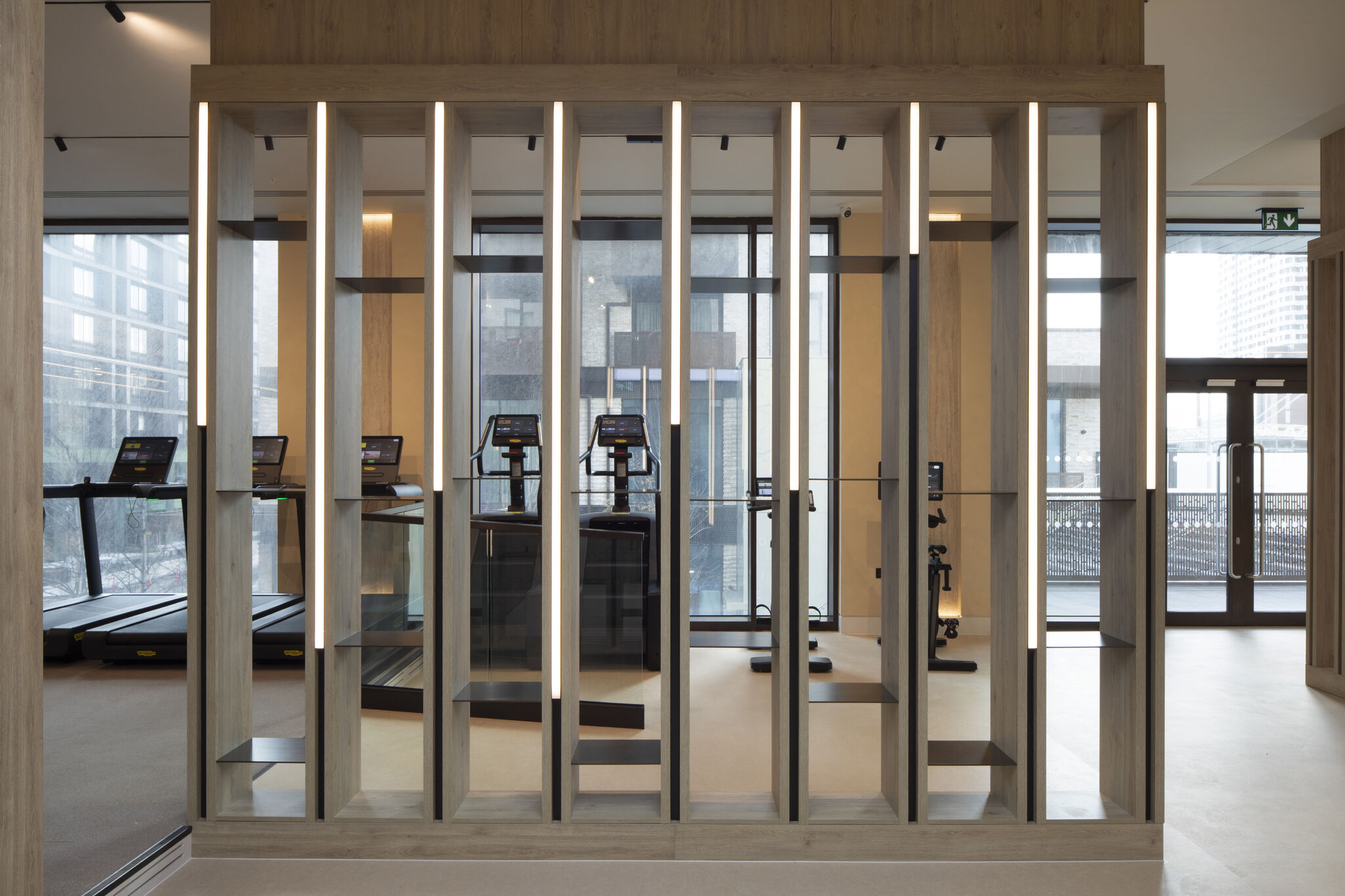
Cardio and high-energy zones
Brighter, cooler light (higher colour temperature, in the region of 4000K and above) supports alertness and energy. This is where you want members to feel switched on, so the lighting should be crisp and bright without being harsh.
Strength and free weights zones
These areas suit a slightly more dramatic treatment. Directional lighting and a bit of contrast create focus and a sense of intensity, which is exactly the atmosphere serious lifters respond to. Even, flat lighting flattens the mood as well as the shadows.
Studios
Studios need flexibility above all. A spin class, a yoga session, and a strength class want very different light. Dynamic, controllable lighting, including colour-wash capability for immersive class formats, lets one room serve many purposes. We have used dynamic lighting to strong effect in cycling studio projects, where the lighting is part of the workout itself.
Recovery and wellness spaces
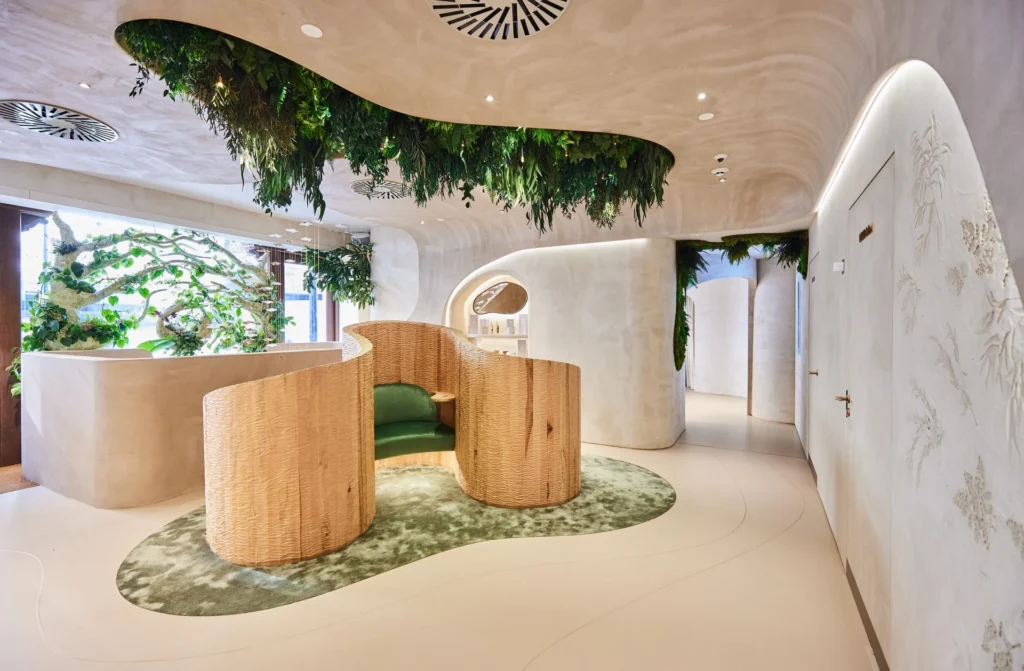
Warmer, dimmer light (lower colour temperature, around 2700K to 3000K) signals that this is a place to slow down. As recovery spaces become a bigger part of gym design, getting this contrast right matters more than ever.
Colour temperature and quality
Colour temperature sets the character of a space, but colour rendering matters too. Poor-quality light makes materials, skin tones, and finishes look flat and cheap, which undermines an otherwise well-designed gym. Specify fittings with a high colour rendering index so the space looks as good as it should, particularly in changing rooms and grooming areas where members judge themselves in the mirror.
Control systems and energy efficiency
Modern lighting control turns a static scheme into a flexible one. Scenes and zoning let staff shift the atmosphere through the day: bright and energising at peak times, calmer in quieter periods. Controls also save energy by dimming or switching areas that are not in use.
LED is the obvious specification now, and the efficiency gains are significant enough that a relighting project often pays back part of its cost through reduced running and maintenance. When we approach a refurbishment, improved lighting frequently delivers the most visible upgrade for the money.
Working with natural light
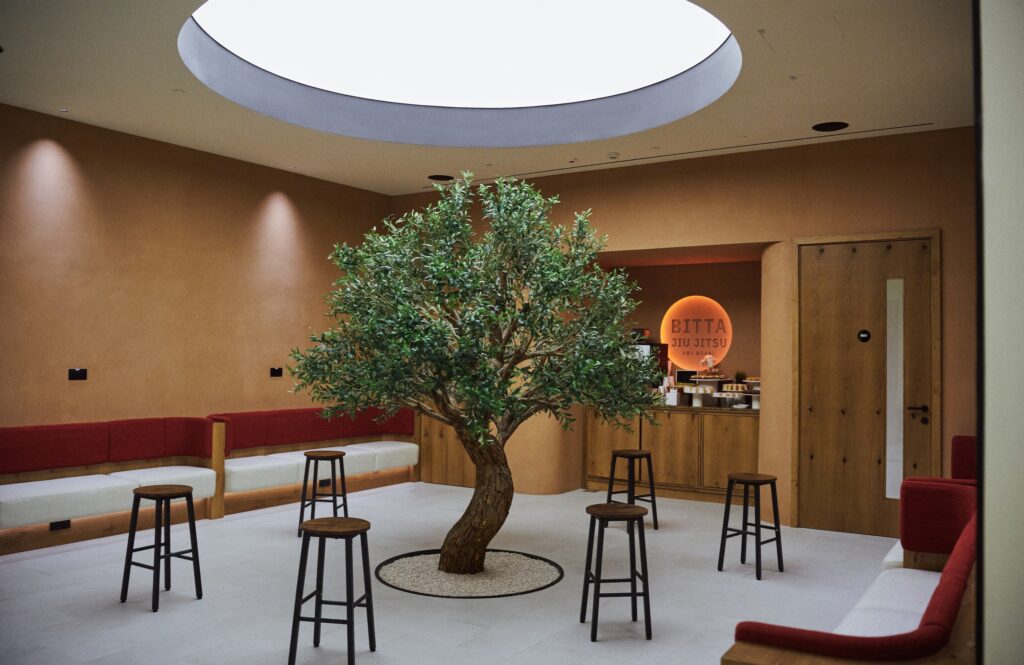
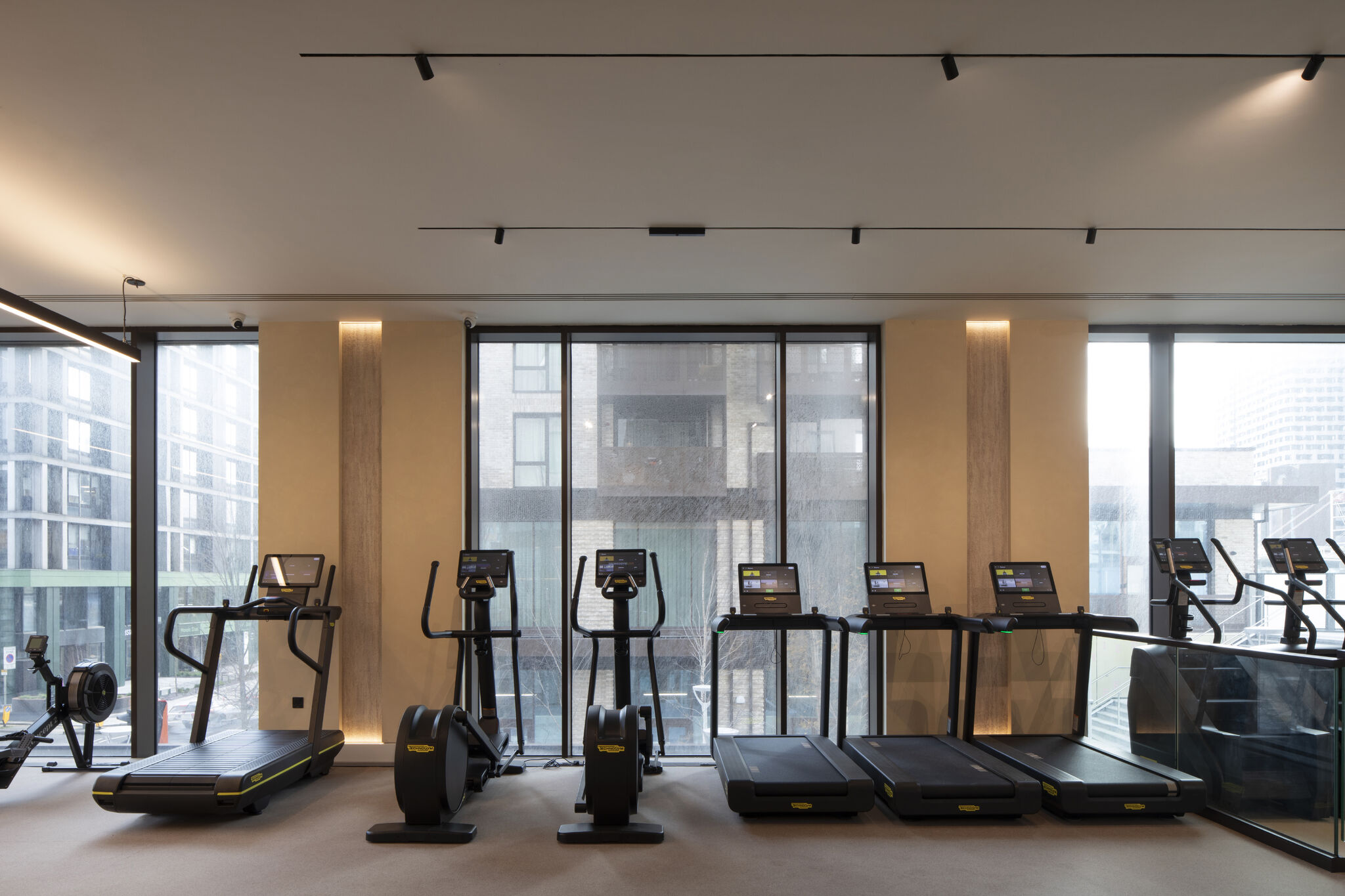
Natural light is an asset when you have it and a challenge when you do not. Where a building offers good daylight, design with it: position zones that benefit from energy and openness near the windows, and use the changing quality of daylight through the day as part of the scheme.
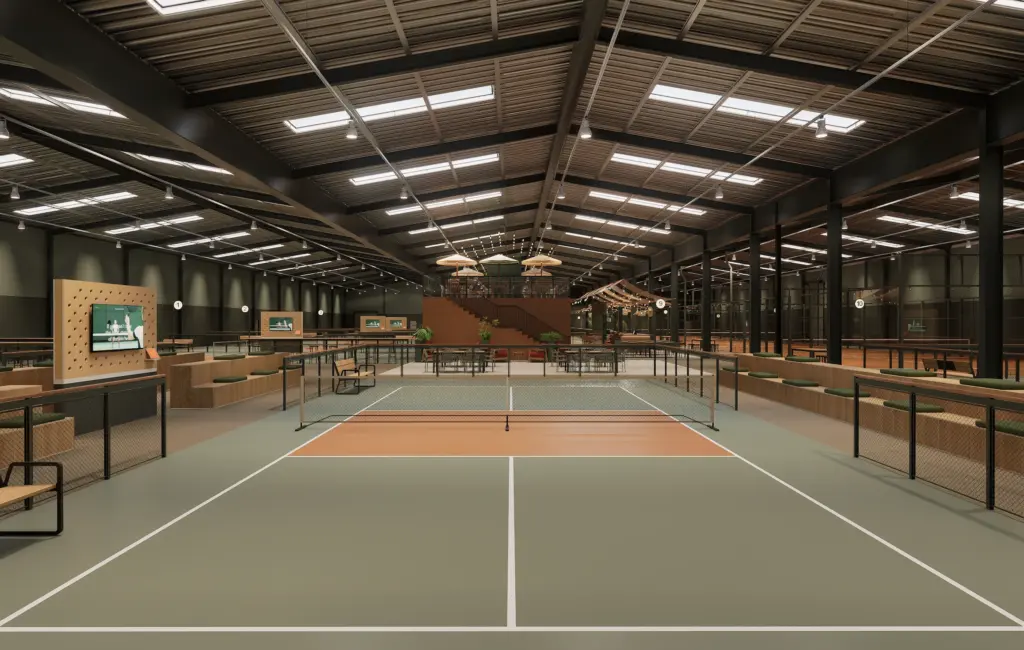
Where natural light is limited, as in many warehouse and basement conversions, the artificial lighting has to do all the work, which makes a considered scheme even more important. The aim is a space that feels bright and alive regardless of the time or the weather outside.
Getting the specification right
Good gym lighting design comes down to matching light to activity, specifying quality fittings, building in control, and working intelligently with whatever natural light the building gives you. Done well, it is one of the highest-impact, best-value decisions in a project. Done poorly, it quietly undermines everything else.
If you are planning a new gym or a refurbishment and want a lighting scheme that does more than illuminate, our team can help. Get in touch to arrange an initial consultation.