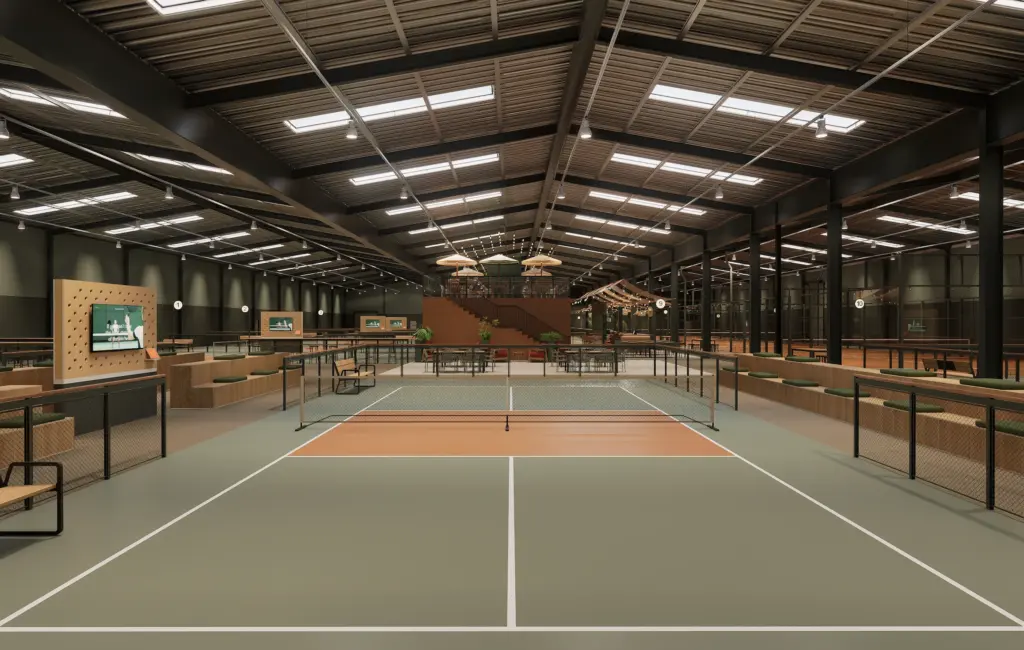
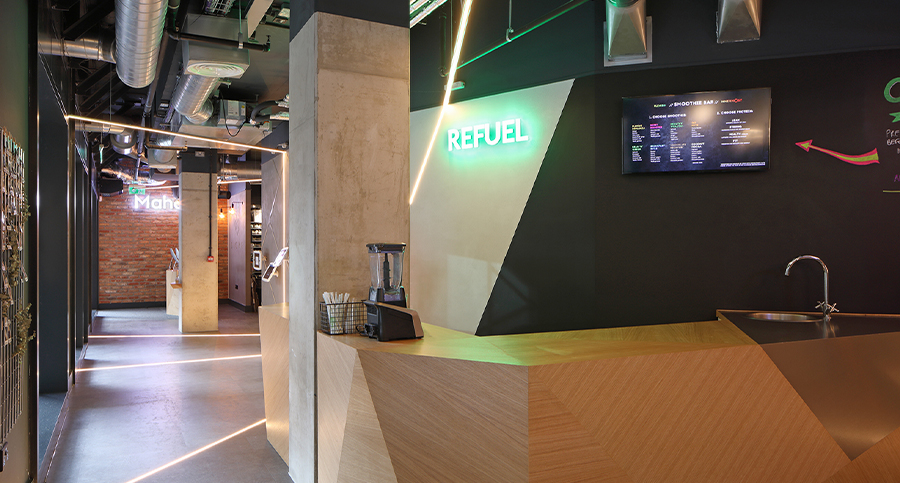
Commercial gym design is the difference between a space that fills on day one and empties by month three, and one that holds members for years. Getting it right means thinking about far more than equipment and flooring. This guide walks you through the full process, from the first conversation to the day the doors open, so you understand what goes into a facility that performs commercially as well as it looks.
We have designed gyms at every scale, from single boutique studios to a 134-club refurbishment programme for The Gym Group. The principles below apply whether you are opening your first site or your fiftieth.
Start with the brief, not the floor plan
The most expensive mistakes in commercial gym design happen before a single wall is drawn. They happen when nobody has clearly defined who the gym is for and how it needs to perform.
Before anything else, get clear on your target member, your price position, your operating model, and your commercial targets. A premium boutique serving a small, design-led membership needs a completely different approach from a high-volume, low-cost club. The brief is where those decisions get made, and everything downstream depends on it.
A good brief covers your business objectives, your audience, the site itself, your brand, and your budget range. If you are not sure how to put one together, our guide on [how to write a brief for a gym project] is a useful starting point.
Space planning and zoning
Once the brief is set, the work moves to space planning. This is where we decide how the building is divided and how members will move through it.
We always start with a block plan before placing any individual equipment. The block plan establishes the major zones, reception and arrival, free weights, resistance machines, cardio, functional training, studios, changing rooms, and any social or recovery spaces, and how they relate to each other. Get the zoning right and the gym flows. Get it wrong and you create bottlenecks, dead space, and areas members avoid.
Think about member journey and flow
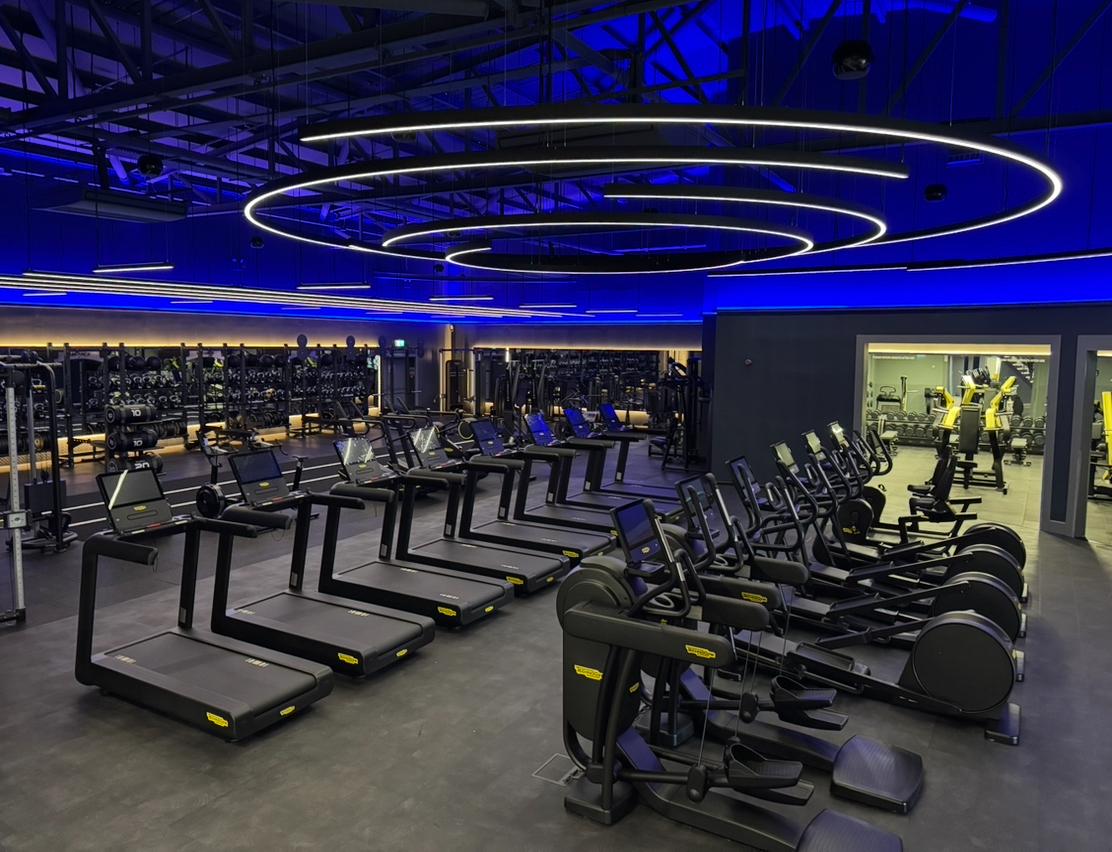
A member’s experience begins at the door and follows a predictable path: arrive, change, train, recover, leave. The layout should support that journey rather than fight it. Place the free weights area away from the entrance, for example, so new or less confident members are not confronted by the most intimidating zone the moment they walk in. Keep sightlines open so the space feels safe and easy to navigate.
Equipment specification and layout
Only once the zones are set do we specify and place equipment. Equipment layout is its own discipline: it covers spacing between machines, traffic flow, accessibility clearances, sightlines to mirrors and screens, and leaving room to swap kit as training trends change.
The temptation is always to fit in as many pieces as possible. Resist it. An overcrowded gym floor feels stressful and reduces the perceived quality of the space. Considered spacing is one of the clearest signals of a professionally designed gym. Our [gym equipment layout guide] goes deeper on this.
Materials, lighting, and atmosphere
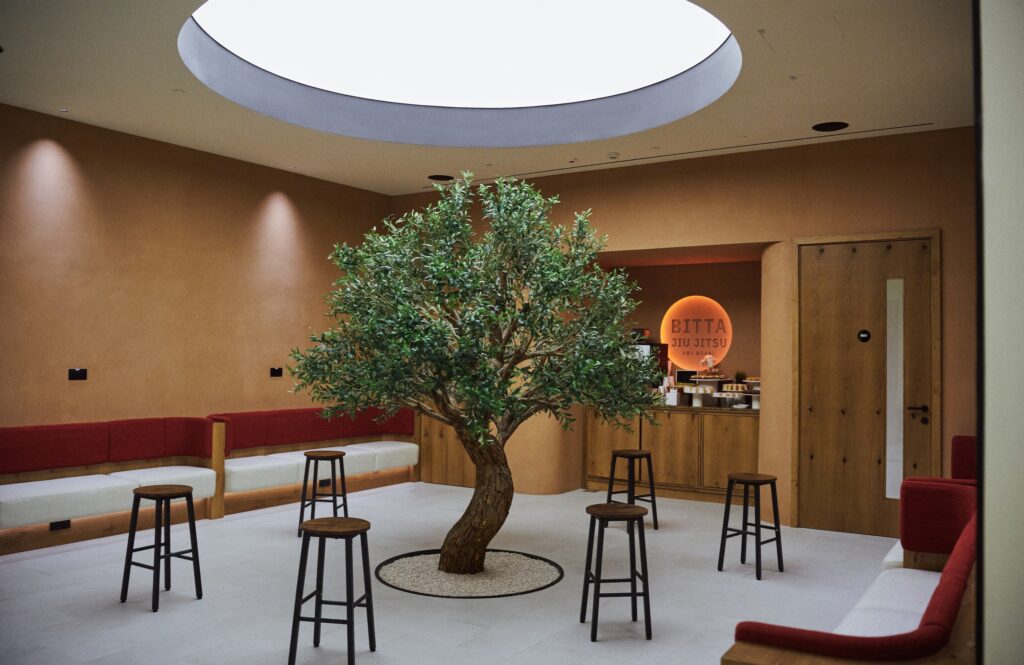
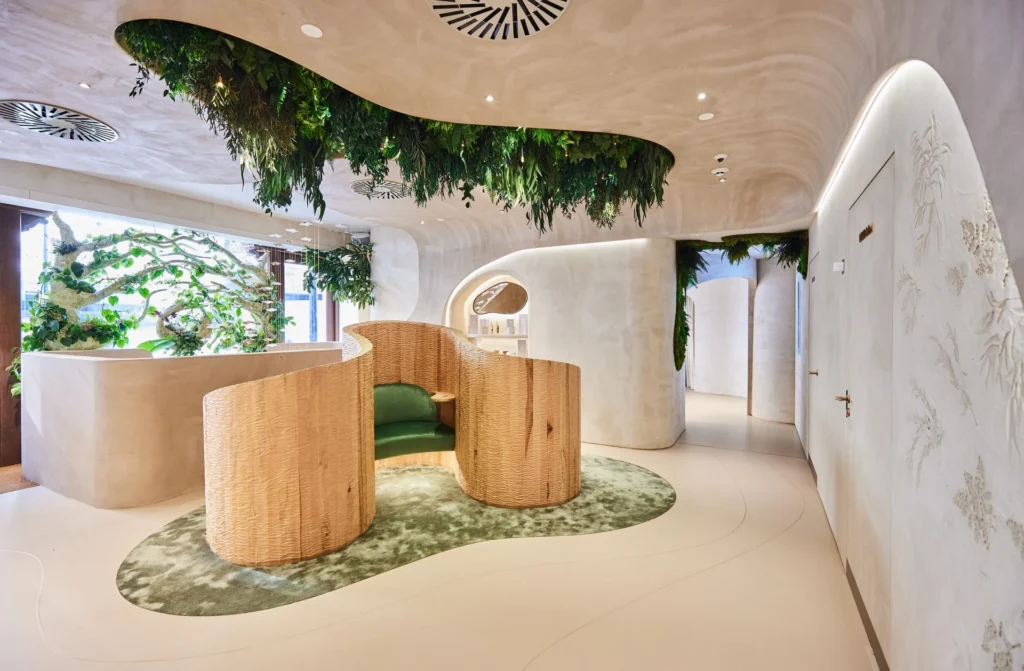
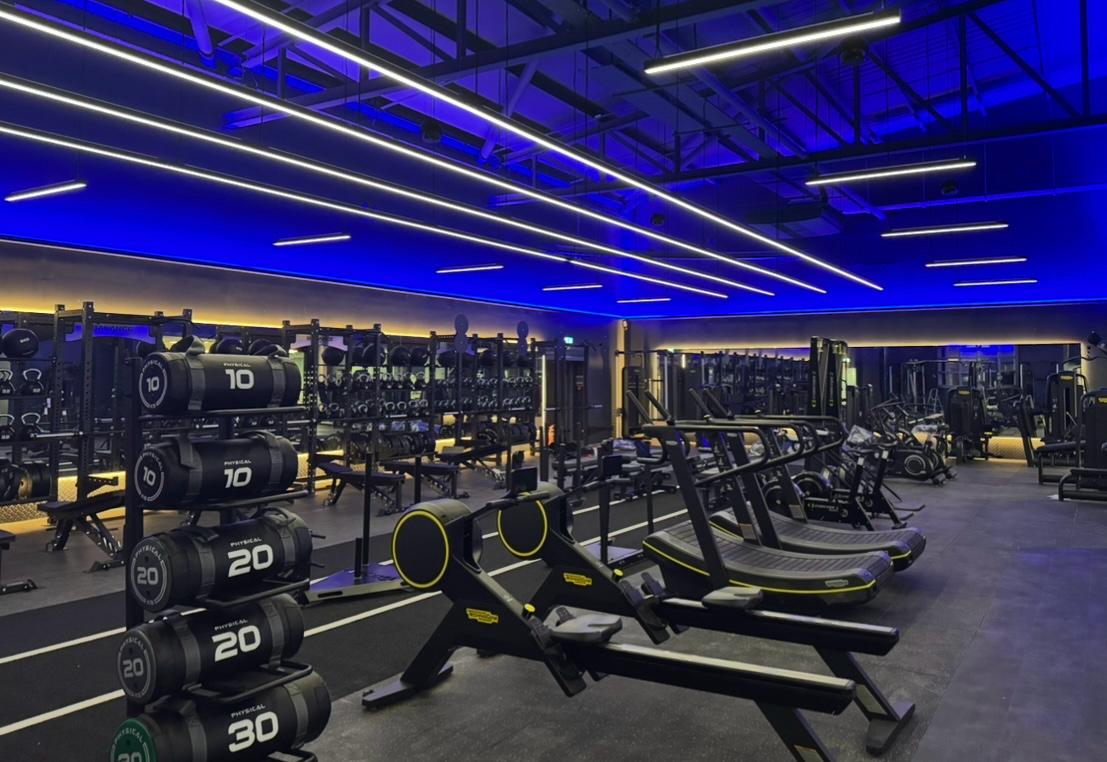
Materials and lighting are what make a gym feel like the brand it is meant to be. The material palette needs to be durable enough for a high-traffic environment and considered enough to support the design intent. Flooring, wall finishes, joinery, and ceiling treatments all carry both a practical and an aesthetic load.
Lighting deserves particular attention. We consistently find that zoned lighting, brighter and cooler tones in cardio areas, warmer and dimmer in recovery spaces, has a measurable effect on how members use a space and how long they stay. Lighting is not a finishing touch; it is a design tool. Our [gym lighting design guide] covers how to specify it properly.
Branding and graphic integration
Brand should be designed into the space, not stuck onto it afterwards. The most effective commercial gyms carry their identity through wayfinding, zone graphics, colour, and material choices, so the brand is felt rather than just seen. Because zynk offers interior architecture and graphic design under one roof, we integrate the two from the start rather than treating signage as an afterthought.
Technical design and delivery
The final stages turn the design into something that can actually be built. This covers the technical detail, the mechanical and electrical coordination (ventilation and acoustics matter enormously in high-occupancy spaces), and the on-site support that keeps the design intent intact through construction. This is the part clients see least but where specialist experience pays for itself, because it is where good design either survives the build or quietly disappears.
Bringing it together
Designing a commercial gym is a sequence of connected decisions: define who it is for, plan the space, place the equipment, choose the materials and lighting, integrate the brand, and deliver it properly. Skip or rush any stage and it shows in the finished space, and usually in the retention figures too.
If you are planning a new gym or rethinking an existing one and want to get the process right from the start, our team can help. Get in touch to arrange an initial consultation.